
Breaking Barriers in a Segregated World:
Throughout U.S. history, people of color—especially African Americans—have endured systemic racism, segregation, and societal barriers. African American women, in particular, often faced difficult choices in pursuit of their dreams. Two remarkable women, Pamela Colman Smith, and Belle da Costa Greene, navigated this reality by “passing” as white, denying their Black heritage to gain access to opportunities that would have otherwise been denied to them.
Their legacies endure as testaments to resilience, talent, and the unjust structures they had to maneuver to leave their marks on history. While they faced painful sacrifices, their contributions helped shape the cultural and literary world in ways still felt today.
Pamela Colman Smith: The Artist Behind the Tarot Renaissance
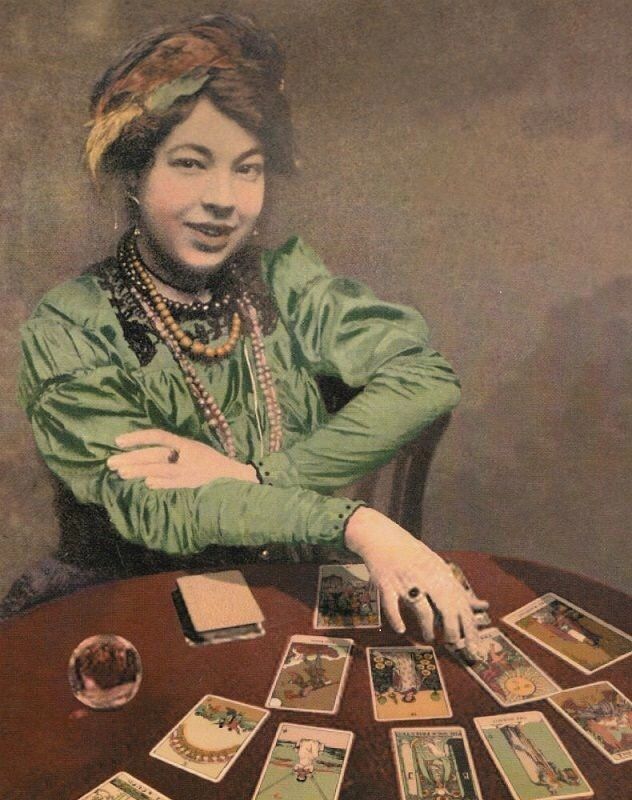
Pamela Colman Smith (1878–1951) was an artist, illustrator, and occultist, best known for her illustrations in the Rider-Waite Tarot Deck, arguably the most famous tarot deck in the world. Despite her groundbreaking contributions, her name often remained overshadowed by her male counterparts.
Born in London to Jamaican and white American father, Pamela was raised in a culturally diverse environment. However, during a time when racial purity was strictly enforced, her partial African ancestry would have posed significant obstacles in her path. By passing as white, she gained access to prestigious occult circles, including the Order of the Golden Dawn, where she worked closely with mystic A.E. Waite to design the now-iconic tarot deck.
Her artwork, steeped in esoteric symbolism, revolutionized the tarot by introducing pictorial illustrations to every card—making the deck more accessible and intuitive for readers. However, despite her brilliance, she died in obscurity, a reminder of how the system often failed talented women, especially women of color.
Belle da Costa Greene: The Keeper of Rare Knowledge
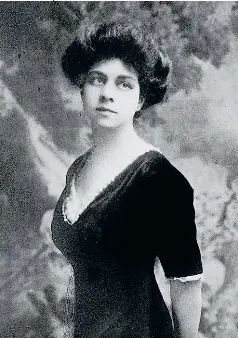
Belle da Costa Greene (1879–1950) was among the most influential librarians and art curators in history. Serving as the personal librarian for J.P. Morgan and later his son, she became a powerful figure in the rare book community, transforming the Morgan Library into a world-renowned institution.
Born Belle Marion Greener, she was the daughter of Richard Greener—the first Black graduate of Harvard. However, in the racist landscape of America, where opportunities for Black women were nearly nonexistent, Belle, her mother and siblings decided to pass as white. Belle adopted the name “da Costa” to suggest Portuguese lineage.
Pamela Colman Smith and Belle da Costa Greene lived in an era when opportunities for Black women were severely restricted by systemic racism and segregation. Despite their extraordinary talents, they faced an impossible choice: to embrace their full identities and risk losing access to professional and artistic circles or to pass as white and gain entry into spaces that would otherwise be closed to them.
Their experiences reflect the larger historical struggle for racial equality in America, where Jim Crow laws, discriminatory hiring practices, and exclusion from academic institutions prevented many Black individuals from reaching their full potential. These two women were not anomalies; they were part of a long history of Black Americans who had to navigate a deeply unjust system by masking their true heritage.
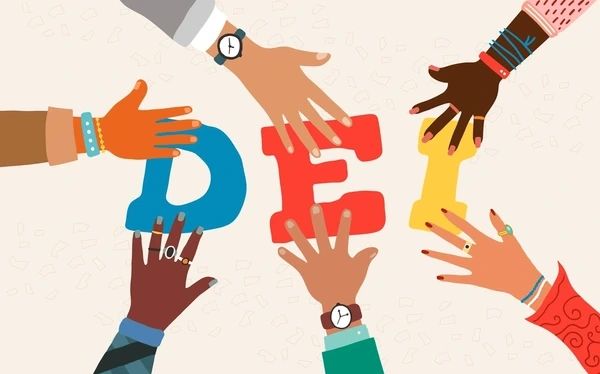
Unfortunately, neither lived to see the establishment of Diversity, Equity, and Inclusion (D.E.I.) programs in workplaces, universities, and cultural institutions to address systemic inequalities that had long excluded people of color, women, and marginalized communities. These initiatives created pathways for individuals from all backgrounds, ensuring greater access to education, leadership roles, and professional advancement.
However, as of January 20, 2025, D.E.I. programs have been brutally dismantled, with mass layoffs affecting those who worked to create more inclusive workplaces. Major corporations, universities, and even retail stores have axed their D.E.I. divisions, eliminating resources that once supported people with disabilities, LGBTQ+ individuals, and other historically marginalized groups. This widespread rollback has left many without support systems that once helped them thrive in spaces where discrimination still lingers. The loss of these programs is a stark reminder that progress is not guaranteed, and the fight for true equality remains an ongoing battle.
As we reflect on the lives of these two extraordinary women, let’s not forget them by advocating for a world where “no one” has to hide their identity to reach their potential. While not everyone may agree with their choice to pass as white, their stories serve as a powerful reminder of the ongoing fight for true equality. In celebrating their achievements, we acknowledge not only the genius that shaped our cultural and literary landscapes but also the systemic injustices that forced them into secrecy. May their legacies inspire us to continue pushing for a future where identity is not a barrier but a source of strength.

