
Accessing Awareness
In the first part of this series, we explored what Conscious Waking means. We looked at awareness as something deeper than thought, personality, or role. Not something you acquire, but something you begin to recognize. Across ancient teachings and modern inquiry, human beings have been described not only as physical bodies, but as conscious awareness experiencing life through form.
These esoteric teachings often run parallel to religion. They do not necessarily reject religious texts; rather, they interpret them symbolically rather than literally. Many doctrines, according to these traditions, were intended as inner teachings that were later simplified for broader audiences.
From this view, Earth is often described as a place of learning. A school for spiritual growth. Many teachings speak of a kind of forgetting that accompanies human life. Some call this the veil of forgetfulness. The idea is not that something was taken from us, but that remembering is part of the journey. One of the central questions becomes not only who am I, but why am I here.
Eastern and Western Wisdom
Eastern philosophies, such as Vedanta and Buddhism, have long focused on direct inquiry into the nature of the self. They emphasize awareness, impermanence, and liberation from unconscious patterns. Western esoteric traditions, including Hermeticism, Gnosticism, and the mystery schools, explore similar truths using symbolism, ritual, and inner knowledge.
These esoteric teachings often run parallel to religion. They do not necessarily reject religious texts; rather, they interpret them symbolically rather than literally. Many doctrines, according to these traditions, were intended as inner teachings that were later simplified for broader audiences.
For example, the idea that humans are made in the image of God, found in the Bible, has been interpreted esoterically as a reference to consciousness rather than physical form. In this reading, the divine image points to awareness itself rather than to appearance. This kind of interpretation exists quietly beneath many religious narratives.
Becoming a Seeker
For someone new to this path, one natural step is becoming a seeker. A seeker is not someone who rejects religion, but someone who asks deeper questions. Someone willing to explore spiritual ideas beyond inherited doctrine, while respecting that religion can also be a valid spiritual path for many.
At this stage, it is important to examine beliefs. Not all beliefs are chosen consciously. Many are programmed through family, culture, fear, and survival. These belief structures shape how we see ourselves and the world. One way to understand this is through what some call a duality program. For example, success and failure, good and bad, worthy and unworthy. These opposites can unconsciously govern behavior and self-identity. Becoming aware of these patterns is often the first step toward accessing consciousness more intentionally.
This moment of choice is often compared to the decision scene in the movie The Matrix, where the main character must choose between remaining asleep or waking up to reality. While fictional, the metaphor resonates. Conscious waking begins with choice.
Three Foundational Steps
Many traditions describe a simple progression. The first step is choice. Choosing to question, to observe, and to become aware of unconscious patterns. The second step is study. Learning from teachings, philosophies, and traditions that explore consciousness, awareness, and energy. This is not about blind belief, but about understanding frameworks that help make sense of experience. The third step is practice. Applying what you learn in daily life.
Accessing consciousness is not about traveling to a physical place. It is about working with energy and attention. People approach this in different ways. Meditation, Tai Chi, Qi Gong, chanting, singing, sound work, and breath practices are all used across cultures. These practices help regulate the nervous system and bring awareness into the body. Many mystery school traditions emphasize that knowledge matters. Sometimes referred to as inner knowledge or sacred science, this understanding provides context for practice. It helps explain why certain methods work and how consciousness responds to attention, intention, and awareness.
For beginners, this combination of choice, study, and practice forms a stable foundation. Conscious waking is not an escape from life. It is a way of engaging life with clarity, responsibility, and awareness. In the next part of this series, we will explore how to maintain conscious awareness in everyday life, especially in relationships, stress, and challenge.
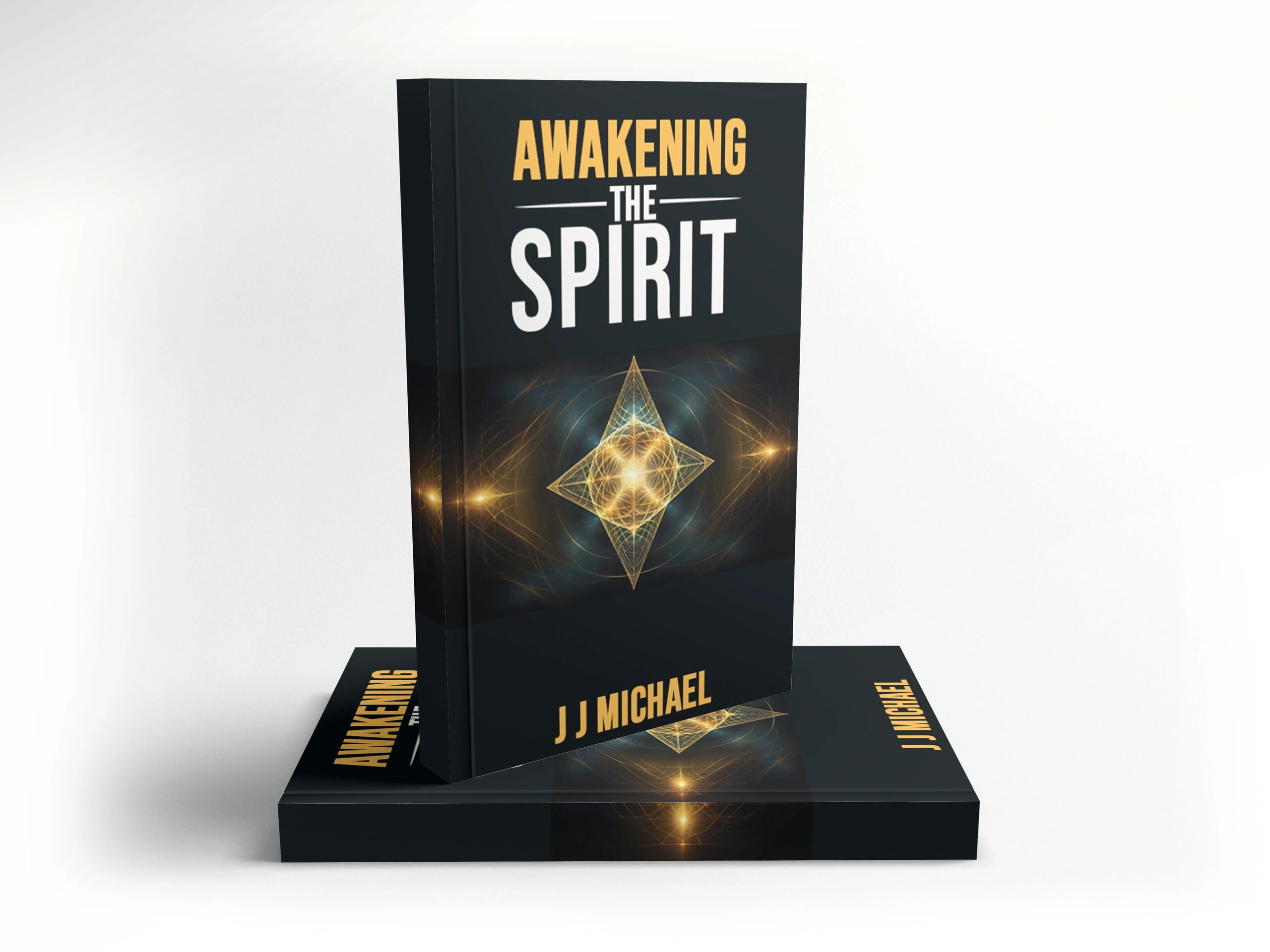
Awakening the Spirit for more info click here https://www.pathtotruth.com