
Mother’s Day is often presented as a simple celebration. Flowers, cards, and gratitude. But when you look closer, the day carries history, complexity, and a wide range of human emotions that cannot be reduced to a single narrative. The modern version began in the United States in the early 1900s with Anna Jarvis. She wanted to honor her mother’s work and sacrifice. Jarvis organized the first official Mother’s Day observances and led a national letter-writing campaign to politicians and civic leaders, which helped secure its recognition as a U.S. holiday in 1914.
In 1914, Woodrow Wilson made it an official national holiday. From there, the idea spread across the world, shaped by different cultures but rooted in the same intention: to recognize the role of mothers.
Still, the meaning of the day does not land the same way for everyone. For many, Mother’s Day brings warmth, connection, and appreciation. For others, it can feel heavy in ways that are harder to name. Some women wanted children and could not have them. Others chose not to, yet still feel the quiet pressure that this day can bring. The celebration can narrow the definition of womanhood, placing motherhood at the center while overlooking the many other ways women contribute, create, and care.
Grief also has a place here. For those whose mothers have died, the day can reopen a loss that never fully closes. For mothers who have lost children, the pain can be just as present. Public messages often assume happiness, leaving little room for private sorrow. Even in close families, the emotions are not always simple. Not every relationship between a mother and child is nurturing or safe. For some, the day brings reflection instead of celebration. It may bring distance or unresolved feelings that do not fit into greeting cards. This emotional range is not a flaw in the holiday. It reveals how deeply the idea of “mother” connects to identity, memory, and expectation.
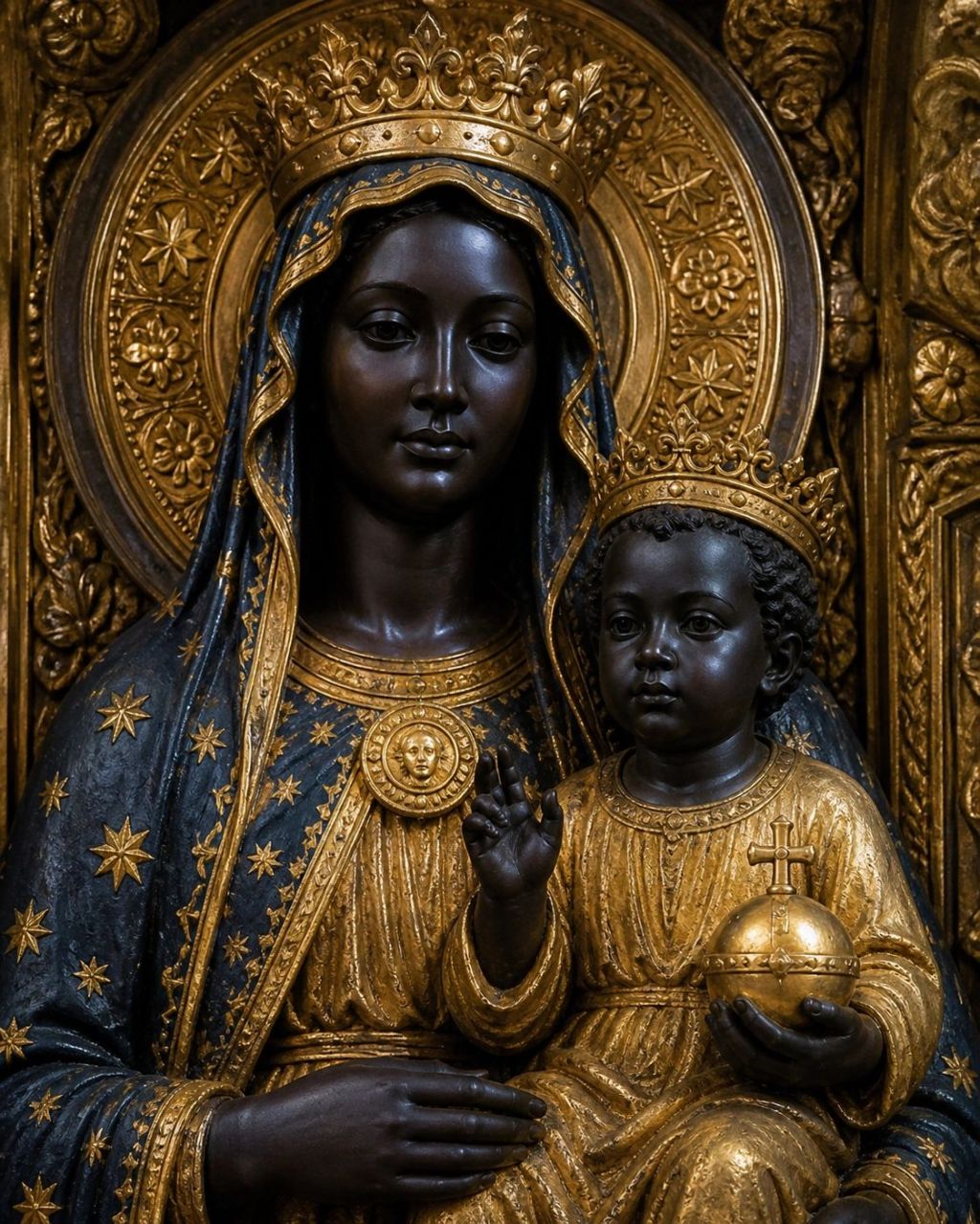
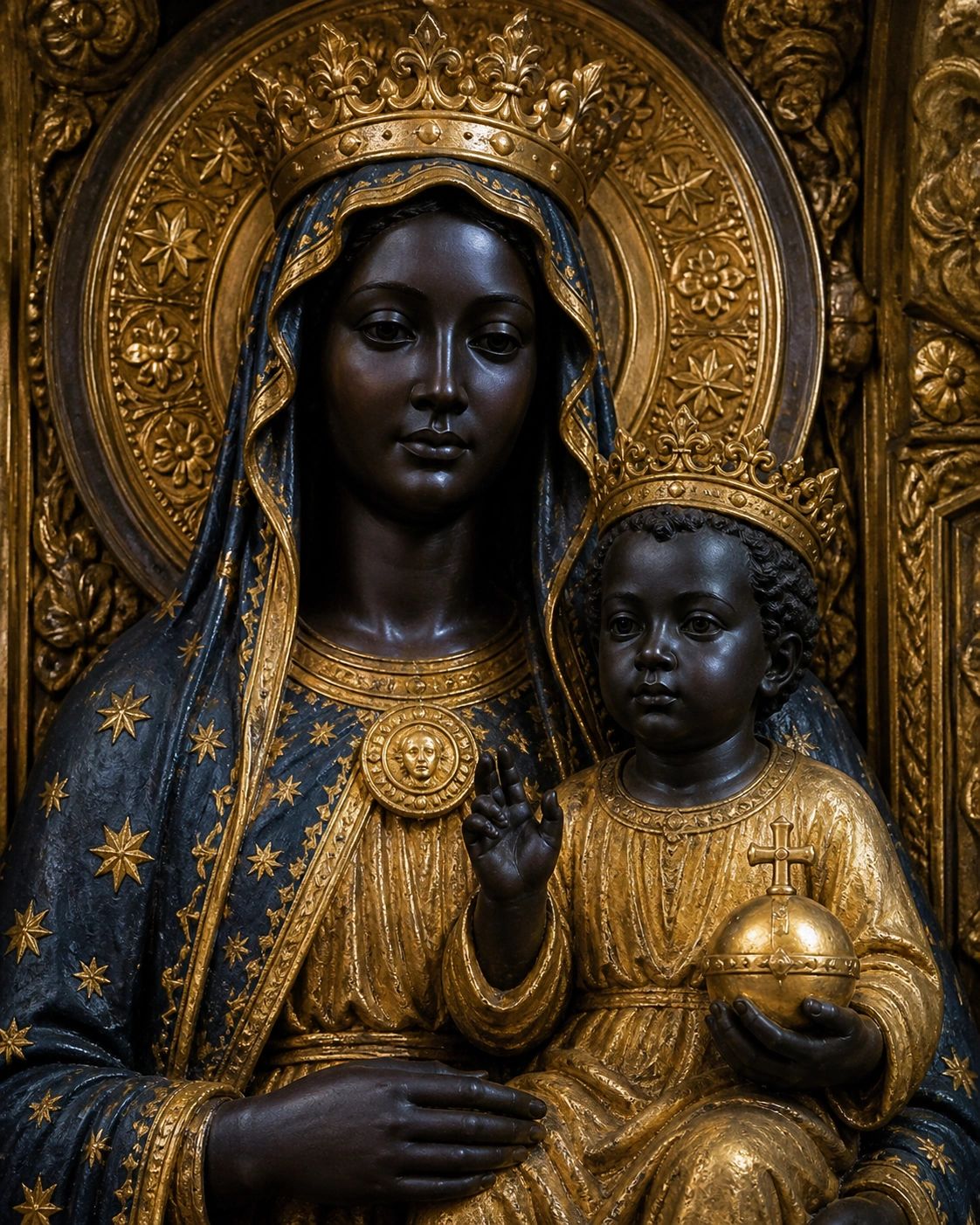
Across cultures, motherhood also ties into something broader, often described as feminine energy or the goddess archetype. In Hindu traditions, Shakti represents creative power and life force. In ancient societies, mother goddesses stood for fertility, protection, and renewal. In philosophical thought, feminine energy is linked to nurturing, intuition, and creation. Mother’s Day touches this deeper layer, even when people do not speak about it directly. It reflects the act of giving life, both physically and metaphorically. It reflects the ability to nurture growth, whether in children, communities, or ideas. It reflects the quiet continuity between generations.
This energy does not belong only to biological mothers. It shows up in mentorship, caregiving, creativity, and emotional support. The idea of the “goddess” is less about belief and more about recognizing a human capacity to sustain and shape life in meaningful ways.
When you take all of this together, Mother’s Day becomes something more complete. It is a historical tradition shaped by activism and culture. It is a personal experience that can hold gratitude, grief, or both at once. It is also a symbolic moment that points to care, creation, and connection in many forms. You do not have to experience the day in a single prescribed way. Some people celebrate their mothers. Some honor memory. Some acknowledge absence. Others expand the meaning to include anyone who has offered care, guidance, or support. There is space for all of it.
And maybe that is where the day finds its real meaning. Not in perfection, not in uniform celebration, but in its ability to hold different truths at once. In that way, Mother’s Day can still be a gentle reminder of something steady and enduring: that care, in all its forms, matters.
Let the day be what it needs to be for you and celebrate it in your own way.
Happy Mother’s Day to all.

